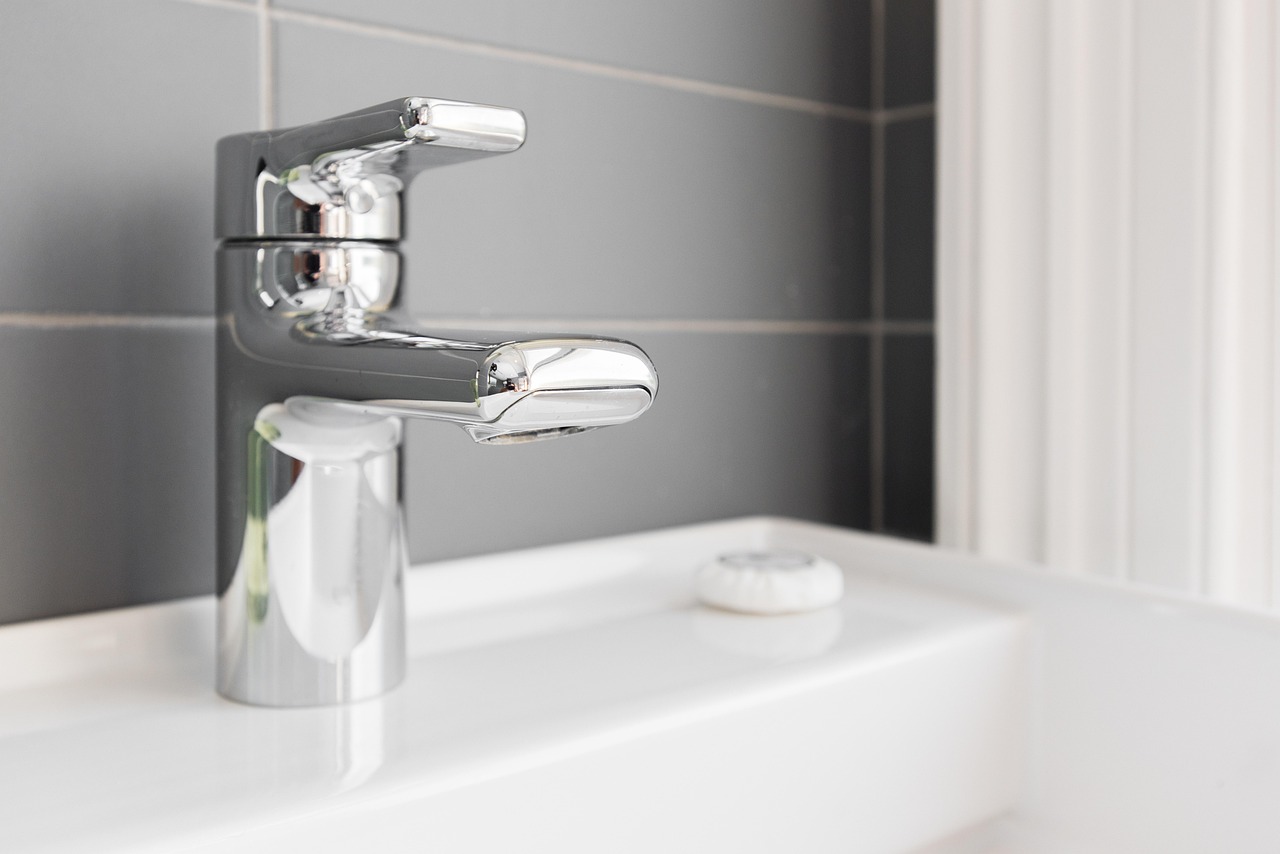
Leaky faucets aren't just an annoyance; they waste precious water and can significantly increase your water bills. According to the U.S. Environmental Protection Agency (EPA), an average household can save over 1,000 gallons of water annually by fixing a leaky faucet. This practical guide offers leaky faucet solutions for both DIYers and those seeking professional assistance. We'll walk you through troubleshooting common causes, from worn-out O-rings to damaged aerators, and provide step-by-step repair instructions. Whether you turn to a licensed plumber or tackle the problem yourself, understanding these leaky faucet solutions will help you minimize water waste and save money.
- Identifying Leaky Faucet Causes: Common Problems and Solutions
- Step-by-Step Repair: Fixing Leaky Faucets at Home
- Preventive Measures: Maintenance for Leaky Faucet Solutions
Identifying Leaky Faucet Causes: Common Problems and Solutions
Solutions start with identifying the root cause of the problem. Water leaks can originate from various parts of the faucet, making plumbing troubleshooting a critical skill for any homeowner. The most common causes include worn-out O-rings or washer cartridges, loose connections, corroded parts, and faulty valve seats. A persistent drip from the base of the faucet might indicate a worn O-ring, while a sudden gush of water could signal a loose supply line connection.
For leaky faucet repair, understanding these common issues is key. For minor leaks, DIYers can often replace the affected components with a little guidance from resources like Home Depot's plumbing section or online forums like Plumber's Friend. Video series like Faucet Repair Guide can walk you through the process step-by-step, ensuring a successful repair without calling a professional. However, more complex problems, such as corroded parts or faulty valves, may require professional assistance.
To avoid future leaks, regular maintenance is crucial. The National Academy of Home Inspectors (NAHI) recommends periodic checks to ensure all faucet components are in good condition. The U.S. Environmental Protection Agency (EPA) promotes water conservation through its WaterSense program, which includes tips for maintaining faucets to reduce water waste. Remember, proper solutions involve not just fixing the current problem but also preventing future leaks through proactive care.
Step-by-Step Repair: Fixing Leaky Faucets at Home
When faced with a leaky faucet, many homeowners opt for professional repair, but fixing leaky faucets at home is not only possible, it's often a quick and easy solution. Before calling a plumber, consider a few simple solutions that can save you time and money. The process typically involves identifying the source of the leak, replacing worn parts, and ensuring proper sealing. Start by turning off the water supply to your faucet. This is usually done by rotating the shut-off valves under the sink counterclockwise until they stop. Then, disassemble the faucet by unscrewing the handle and spout, revealing the inner components. Inspect these parts for signs of wear, corrosion, or damage. Common culprits include worn out O-rings, damaged cartridges, or faulty washers. Replacing these parts is often as simple as unscrewing the old ones and screwing in new ones, available at most hardware stores. If the leak is coming from the base of the faucet, the issue could be a loose or damaged drain seal. Replacing this seal is a straightforward process that can be done with minimal tools. Once the new parts are installed, reassemble the faucet and turn the water supply back on. Test the faucet to ensure the leak has been stopped. If the problem persists, consider consulting online resources like the Faucet Repair Guide series or forums like Plumber's Friend for additional troubleshooting tips. Remember, early intervention can prevent a small leak from becoming a significant water waste issue. Regular maintenance, including periodic checks and simple repairs, can extend the life of your fixtures and reduce your water bills.
Preventive Measures: Maintenance for Leaky Faucet Solutions
Preventive measures are key to avoiding the hassle and expense of solutions. Regular faucet maintenance kits, available at retailers like Home Depot, can help keep your fixtures in top condition. These kits often include tools and lubricants specifically designed to address common issues. Applying a thin layer of grease to the faucet's O-rings can prevent them from drying out and wearing over time.
Beyond DIY kits, establishing a consistent maintenance routine can significantly reduce the risk of water leaks. This includes periodically checking for leaks, both visible and hidden, and addressing them promptly. The National Academy of Home Inspectors (NAHI) recommends inspecting faucets for signs of corrosion, loose connections, or worn-out parts at least once a year. By doing so, you can catch potential problems before they escalate into full-blown leaks.
For those comfortable with basic DIY repairs, the Plumber's Friend online forum offers a wealth of knowledge and troubleshooting tips. The Faucet Repair Guide video series, hosted on popular platforms, provides step-by-step instructions for various repair scenarios, ensuring homeowners can tackle minor issues confidently. However, for more complex cases or to ensure long-term leak prevention, professional assistance from licensed plumbers is essential. Organizations like Angie's List and the Better Business Bureau (BBB) can help you find reputable local contractors.
Looking for NSF-certified products can contribute to effective leak prevention. Incorporating these certified parts into your solutions strategy can help you make informed choices that support both efficiency and durability.
Frequently Asked Questions About Fixing Leaky Faucets: Quick and Easy Solutions A practical guide to troubleshooting and repairing leaky faucets, with step-by-step instructions and DIY tips. Search intent: informational.
What are the common causes of leaky faucets? Leaky faucets can stem from various issues, including worn-out O-rings or washer seals, damaged or corroded valve cartridges, and loose connections. These problems can occur over time due to normal wear and tear, mineral buildup, or poor installation. Identifying the specific cause is crucial for effective repair.
How can I temporarily stop a leak until I can fix it? A simple and effective temporary solution is to turn off the water supply to the faucet. Locate the shut-off valves under the sink or behind the faucet and close them tightly. This will stop the water flow and prevent further leakage. You can also apply a waterproof sealant or putty around the faucet's base to seal any visible gaps.
Do I need special tools to fix a leaky faucet? Most leaky faucet repairs require only basic tools like a wrench, pliers, and possibly a new O-ring or washer. Many parts are readily available at home improvement stores and can be replaced with simple steps. However, complex faucet models might need specialized tools, so checking your specific faucet's manual is advisable.
When should I call a professional plumber instead of trying to fix it myself? While many leaky faucet repairs are DIY-friendly, there are times when professional help is necessary. If the leak is severe or persistent, if your faucet is antique or custom-made, or if you're unsure about the repair process, it's best to contact a licensed plumber. They have the expertise and tools to handle complex issues and ensure a lasting fix.
How long does it typically take to fix a leaky faucet? Most leaky faucet repairs can be completed in 30 minutes to an hour, depending on your skill level and the faucet's complexity. Simple repairs, such as replacing an O-ring, can be done quickly, while more intricate jobs might take a bit longer. Keep in mind that turning off the water supply and preparing the area beforehand can save time during the repair process.
Fixing leaky faucets is a crucial aspect of home maintenance, and understanding the root causes and solutions can save time and money. By identifying common issues such as worn-out O-rings or damaged faucet seats (as detailed in our troubleshooting section), you can take effective, DIY approaches to repairs. Our step-by-step repair guide, backed by resources like Home Depot and the Faucet Repair Guide video series, demonstrates that many leaky faucets can be fixed with simple tools and a bit of know-how.
Preventive measures are key to avoiding costly and disruptive leaks. Regular faucet maintenance, encouraged by organizations like the National Academy of Home Inspectors (NAHI) and the U.S. EPA's WaterSense program, can significantly extend the lifespan of your faucets. Utilizing maintenance kits and staying informed about industry certifications, such as NSF-certified parts, further reinforces solutions.
Professional assistance from licensed plumbers (as assured by bodies like Angie's List and the Better Business Bureau) is recommended for complex repairs or when dealing with valuable fixtures. Remember, the right tools, knowledge, and resources can transform leaky faucets from a nuisance into a manageable, even preventable, issue.
References
- Zachary Solomon, MD - Rush University Medical Center — doctors.rush.edu
- Zachary Solomon - American Jewish World Service – AJWS — ajws.org