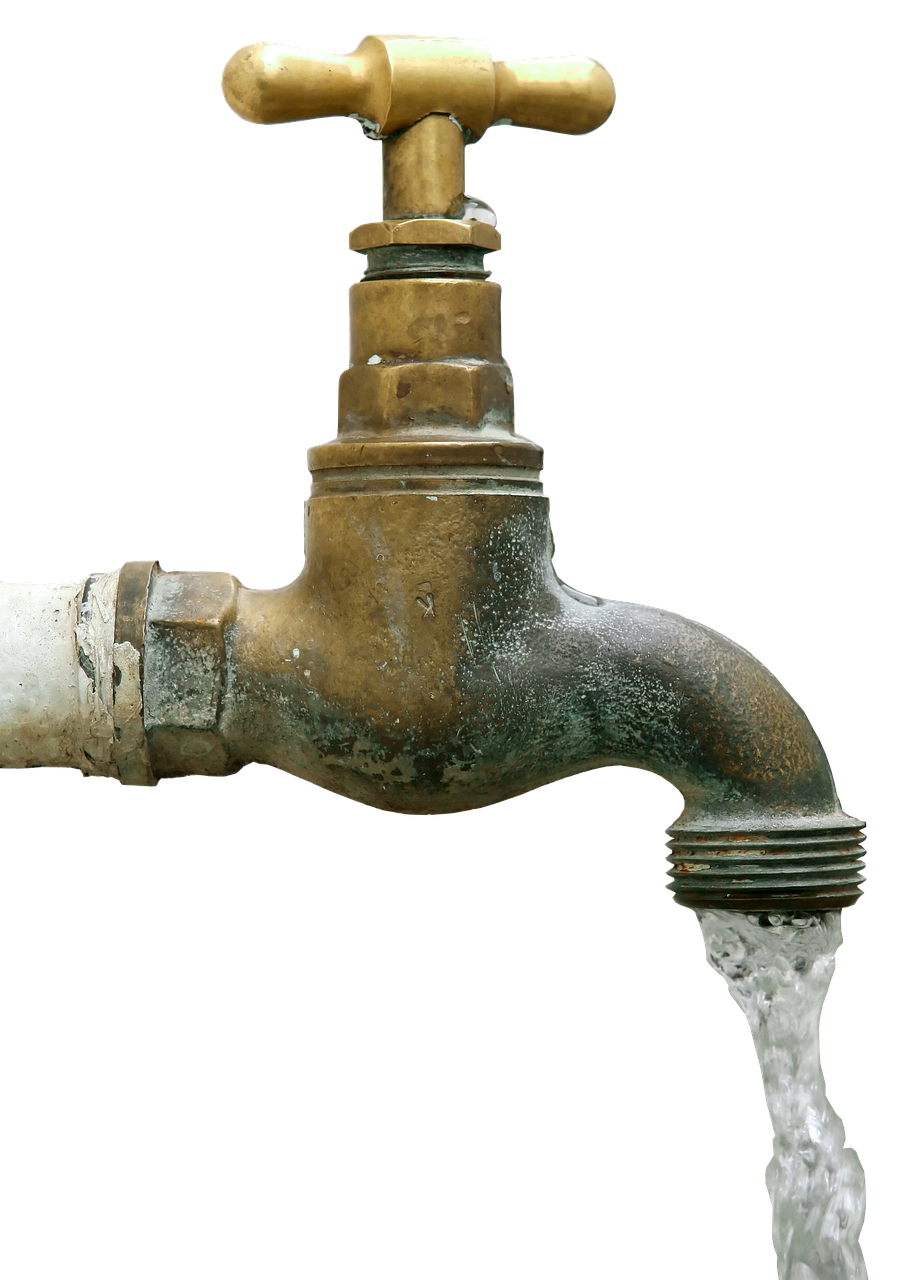
A leaky faucet is more than an annoyance-it's a potential waste of water and a sign of a deeper plumbing issue. In today's world, where water conservation is crucial, leaky faucet solutions are not only practical but also environmentally responsible. Whether you're a homeowner tackling the problem yourself or considering professional assistance, understanding the root cause and having the right tools can make all the difference.
- Identify the Source: Leaky Faucet Solutions
- Diagnose the Problem: Quick Troubleshooting
- Repair and Prevent: Easy DIY Fixes
Identify the Source: Leaky Faucet Solutions
When faced with a leaky faucet, identifying the source of the problem is the first step towards effective leaky faucet solutions. A leaky faucet can be a simple issue with a loose washer or O-ring, or it could signal a more complex problem like worn-out valves or a faulty supply line. A dripping faucet might be caused by an aerator that needs cleaning or a mineral buildup that can be addressed with regular maintenance.
Professionals often recommend a systematic approach to troubleshooting. Start by visually inspecting the faucet for any visible damage or debris. Check the aerator for sediment buildup, as this is a common cause of leaks. If the problem persists, the issue might be internal, requiring further investigation. Many solutions involve DIY repairs, especially for common problems like corroded or worn parts. Home Depot, for example, offers a comprehensive selection of faucet repair parts and guides to help homeowners with these tasks. Online forums like Plumber's Friend can also be valuable resources, offering advice from experienced DIYers.
For more complex repairs, it's crucial to consult with a licensed plumber. Professional plumbers have the tools and expertise to pinpoint the exact cause, whether it's a simple adjustment or a complete faucet replacement. Regular maintenance, as advocated by organizations like the National Academy of Home Inspectors (NAHI), can prevent many leaky faucet issues. Using maintenance kits designed for this purpose can extend the life of your faucets and reduce the need for costly repairs. Remember, early detection and regular care are key to minimizing water waste and maximizing the lifespan of your plumbing fixtures.
Diagnose the Problem: Quick Troubleshooting
When faced with a leaky faucet, many homeowners turn to online forums like Plumber's Friend for guidance. While DIY faucet repairs can be accomplished with the right tools and a basic understanding of plumbing troubleshooting, a quick diagnosis is essential. Start by observing the leak's behavior. Is it a steady drip or an intermittent trickle? The source and type of leak will guide your next steps. A slow drip often indicates a bad O-ring or washer, while a more substantial leak could signal a faulty cartridge or valve.
Once you've identified the leak's source, gather the necessary tools and parts. Basic faucet repairs often require only a few common tools: an adjustable wrench, pliers, and a new O-ring or washer. More complex repairs may necessitate specialized tools and parts specific to your faucet model. If you're unsure, consult a detailed Faucet Repair Guide video series available online. These visual tutorials can walk you through the process, making DIY repairs more accessible.
Before examining any plumbing troubleshooting, ensure your supplies are within reach and lay out the parts for easy reference. Turn off the water supply to the faucet to avoid leaks or flooding while you work. With the right preparation, most solutions can be achieved without professional assistance, saving you time and money. Regular maintenance, including checking for leaks and replacing worn parts, can prevent future issues and prolong your faucet's lifespan.
Repair and Prevent: Easy DIY Fixes
Leaky faucets can be a common household nuisance, but with the right tools and a few simple steps, you can often fix them yourself. DIY repairs are not only cost-effective but also empower you to take control of maintaining your home. The key to successful solutions lies in identifying the source of the leak and addressing it directly.
For minor leaks, a DIY approach is both feasible and recommended. Start by inspecting the faucet for common issues. A loose or damaged washer or O-ring is often the culprit. These parts are relatively inexpensive and easy to replace. When replacing these parts, follow the manufacturer's instructions precisely, ensuring a secure fit. Using the right-sized wrench can prevent damage to the faucet threads.
Regular maintenance plays a crucial role in preventing water leaks. The U.S. Environmental Protection Agency (EPA) promotes the WaterSense program, which offers tips for efficient faucet use and repair. This includes lubricating the faucet's moving parts and checking for leaks periodically. A well-maintained faucet is less likely to develop persistent leaks, saving you time and money in the long run. Remember, timely repairs are essential; even a small leak can waste hundreds of gallons of water annually.
Frequently Asked Questions About Fixing Leaky Faucets: Quick and Easy Solutions A practical guide to troubleshooting and repairing leaky faucets, with step-by-step instructions and DIY tips. Search intent: informational.
What are the most common causes of leaky faucets? Leaky faucets can stem from various issues, including worn-out O-rings or washer seals, loose connections, or damaged valves. A buildup of mineral deposits or corrosion can also contribute to the problem. Identifying the exact cause is crucial, as the solution varies depending on the faulty component. Regular maintenance, such as cleaning and lubricating parts, can prevent many leaks.
How can I temporarily stop a leaky faucet until I can fix it properly? A simple and immediate solution is to turn off the water supply to the faucet. Locate the shut-off valve under the sink or behind the faucet, and close it tightly. This will stop the water flow and prevent further leakage. You can then use a rag or wax to seal any visible gaps around the faucet to slow down any residual dripping.
When should I call a professional plumber instead of trying to fix it myself? While many leaky faucet issues can be easily resolved by homeowners, there are instances where professional help is recommended. Complex problems, such as serious valve damage, significant corrosion, or leaks involving complex plumbing systems, are best handled by a licensed plumber. They have the expertise and tools to fix the issue efficiently and thoroughly.
What tools do I need to fix a leaky faucet? Most leaky faucet repairs require basic tools like a wrench, pliers, and a screwdriver. For more intricate jobs, you might need a pipe wrench, an adjustable wrench, or even a specialized faucet repair kit. Having a set of Allen keys can also be helpful, as some modern faucets use these for assembly.
Can I replace a leaky faucet with a new one without hiring a professional? Absolutely. Replacing a leaky faucet is often a straightforward DIY project. You'll need to acquire a new faucet that suits your preferences and fits your existing plumbing. Turn off the water supply, remove the old faucet, and install the new one following the manufacturer's instructions. Local hardware stores can often provide advice and guidance if needed.
What are some tips for maintaining my faucets to prevent leaks? Regular cleaning and lubrication are key. Use a mild detergent and a soft cloth to remove mineral deposits and corrosion from the faucet handles and spout. Applying a small amount of grease or machine oil to the valves and stems can prevent rust and ensure smooth operation. Checking and tightening connections periodically can ward off leaks.
By following the step-by-step guides and DIY tips outlined in this article, you're now equipped to tackle solutions head-on. Through effective troubleshooting, you can quickly identify the source of the leak, whether it's a worn-out washer, a loose part, or a faulty valve. By implementing easy repairs, you can stop the leak, save water, and reduce your water bills. Understanding the importance of regular maintenance and considering EPA-approved WaterSense products can further prevent leaks and ensure a more sustainable home. Investing in a regular faucet maintenance kit can extend the lifespan of your fixtures. Remember, with a bit of knowledge and some basic tools, solutions are within the reach of every homeowner.
References
- FINANCIAL | English meaning - Cambridge Dictionary — dictionary.cambridge.org
- Finance - Wikipedia — en.wikipedia.org