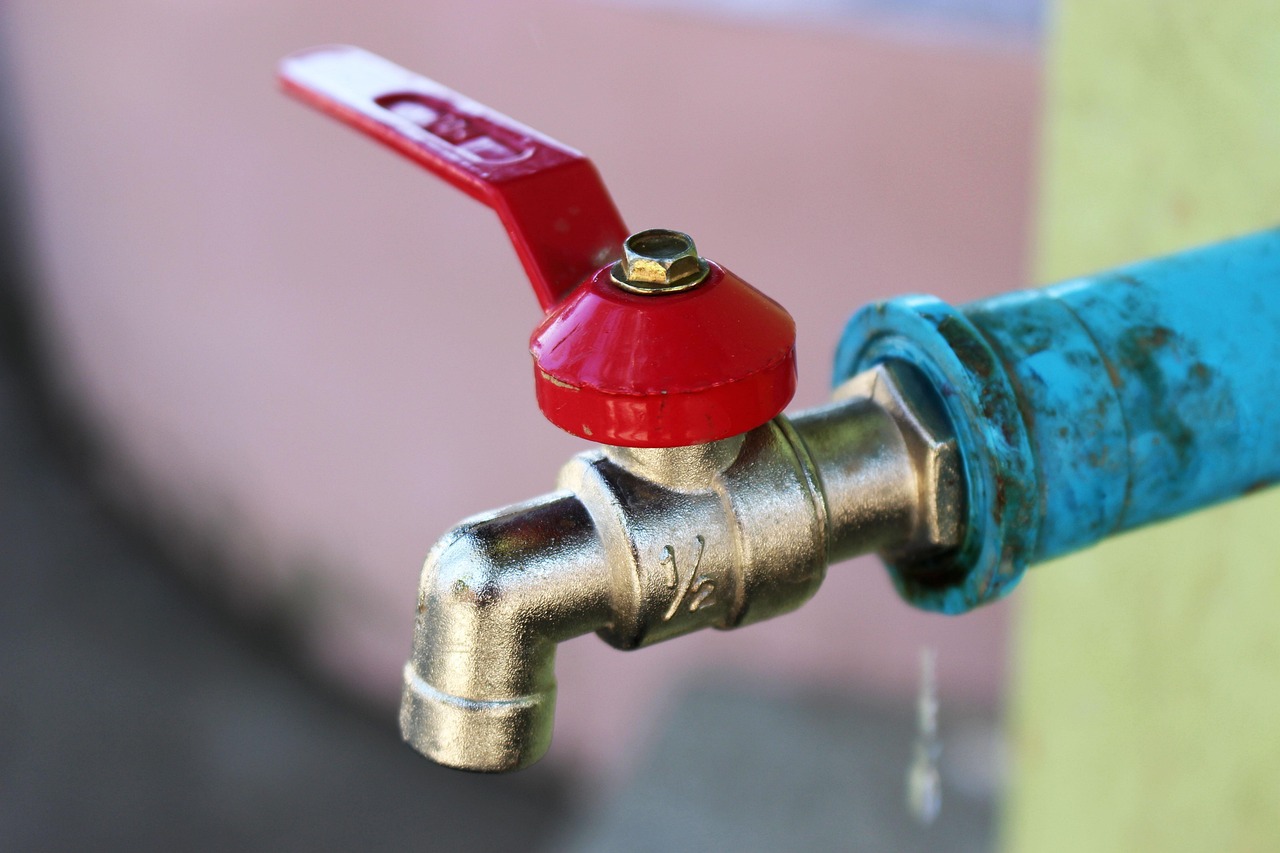
A leaky faucet is more than just an annoying drip-it's a waste of water and a potential sign of a bigger plumbing issue. Whether it's a minor inconvenience in your kitchen or a persistent problem in your bathroom, leaky faucet solutions are a crucial part of maintaining your home. This practical guide provides practical, step-by-step instructions and DIY tips to help you troubleshoot and repair leaky faucets quickly and efficiently. From understanding common causes like worn-out O-rings or aerator issues, to leveraging reliable online resources like Home Depot and Plumber's Friend forums, you'll gain the knowledge to tackle minor leaks yourself. For more complex problems, we'll guide you on when to seek professional assistance from licensed plumbers, while also highlighting important certifications like NSF and industry associations like Angie's List and the Better Business Bureau. Learn how to prevent future leaks with regular maintenance and stay informed about water conservation programs like EPA's WaterSense.
- Understanding Leaky Faucet Causes: Common Issues Uncovered
- DIY Repair Steps: Fix Leaky Faucets with Ease
- Preventive Measures: Long-Term Leaky Faucet Solutions
Understanding Leaky Faucet Causes: Common Issues Uncovered
Leaky faucets are a common household issue, but understanding the root causes can be the key to quick and easy solutions. Plumbing troubleshooting often reveals specific issues that, when addressed, can prevent further leaks. The most common causes include worn-out washer or cartridge components, loose connections, damaged or misaligned parts, and corrosion. An old washer or seal can degrade over time, allowing water to leak from the faucet spout or handle.
These problems can be exacerbated by improper installation or regular wear and tear. Cartridge faucets, a popular design, often require replacement of the internal cartridge due to buildup or damage. Regular faucet maintenance kits can help extend the lifespan of these components. Homeowners can also check for loose connections, ensuring that all parts are securely fastened. Over time, the force of water can cause misalignment or damage to the faucet's internal parts, leading to leaks. Corrosion, especially in older fixtures, can also be a significant factor, causing parts to wear down faster.
Identifying the specific cause is crucial before proceeding with any leaky faucet solutions. DIY enthusiasts can often tackle simple repairs using readily available tools and parts. Online forums like Plumber's Friend provide valuable insights and step-by-step guides for common repairs. Video series like the Faucet Repair Guide offer visual demonstrations, making complex tasks more manageable. However, for complex cases or when dealing with faulty plumbing, professional assistance is recommended. These standards ensure consumer protection and the quality of work.
DIY Repair Steps: Fix Leaky Faucets with Ease
Fixing a leaky faucet is a common plumbing troubleshooting task that many homeowners can handle with the right tools and a few simple steps. Before beginning any repair, it's essential to identify the type of leak and the cause. This can range from a loose washer to a worn-out O-ring or even a faulty valve. Once the source is determined, the process becomes much easier.
For a standard faucet, the repair typically involves accessing the faucet's internal components. This often requires removing the faucet handle and the faucet stem. Many online resources, like the Faucet Repair Guide series, offer detailed, visual step-by-step instructions. You can also find helpful advice on forums like Plumber's Friend, where experienced DIYers share their insights. The key is to take your time and be methodical. Use a basin wrench to loosen the nuts securing the faucet parts, being careful not to strip them. Once the parts are accessible, you can begin replacing worn-out gaskets or O-rings, ensuring proper sealing.
In more complex cases, such as with a cartridge faucet, the process involves identifying the specific model and purchasing a replacement. Cartridge faucets, common in many modern homes, have a single control handle that operates both hot and cold water. These faucets are known for their durability, but a worn cartridge can cause leaks. Replacing the cartridge is a straightforward process that often only requires a few tools and a new cartridge from a home improvement store.
Regular maintenance can also significantly reduce the likelihood of dealing with leaky faucets. The National Academy of Home Inspectors (NAHI) recommends periodic checks and cleaning to ensure proper functionality. This includes lubricating the faucet's internal parts and replacing worn-out components before they fail. Remember, when in doubt, professional assistance from a licensed plumber is always an option. Organizations like Angie's List and the Better Business Bureau (BBB) can help you find reputable local plumbers.
Preventive Measures: Long-Term Leaky Faucet Solutions
Preventive measures are key to avoiding the hassle and expense of solutions. Regular maintenance can significantly extend the life of your faucets and prevent costly repairs. One easy way to start is by installing a regular faucet maintenance kit, which includes components like O-rings and seals that wear over time. These kits allow for simple DIY repairs that can be completed in just a few minutes, teaching you essential plumbing troubleshooting skills. Replacing these parts every few years can stop leaks before they start.
Another important step is to periodically check for leaks not just under the sink, but also at the base of the faucet and the connections. This proactive approach can catch issues early, as small drips can eventually turn into gushing leaks. The National Academy of Home Inspectors (NAHI) recommends inspecting faucets during routine home maintenance to ensure everything is in order. By addressing even the smallest problems, you can save money and reduce water waste.
The U.S. Environmental Protection Agency (EPA) highlights the importance of these measures through its WaterSense program, which promotes water efficiency. In fact, according to the EPA, fixing simple leaks can save up to 1,000 gallons of water per year. This not only benefits the environment but also lowers your water bills. Remember, the key to long-term solutions lies in regular care and prompt attention to any unusual sounds or signs of moisture.
Frequently Asked Questions About Fixing Leaky Faucets: Quick and Easy Solutions A practical guide to troubleshooting and repairing leaky faucets, with step-by-step instructions and DIY tips. Search intent: informational.
What causes a faucet to leak? Leaks can stem from various issues, including worn-out O-rings or washers, damaged or corroded valves, or loose connections. Identifying the source is crucial, as different parts require specific repair methods. Regular maintenance, such as lubricating parts and checking for leaks, can prevent many issues.
How do I know if I can fix the leak myself? Most leaky faucet issues can be addressed by homeowners with basic DIY skills. Simple repairs involve replacing O-rings or washers, tightening connections, or adjusting the faucet's handle. However, complex problems, like severe corrosion or damaged internal components, may require professional assistance.
What tools do I need to fix a leaky faucet? Common tools for faucet repairs include a wrench or pliers for tightening connections, a screwdriver for accessing internal parts, and a new set of O-rings or washers. Having a bucket and rags on hand is also useful for catching leaks and protecting surfaces.
How long does it take to fix a leaky faucet? Most installations take one to two days, depending on the complexity of the repair. Simple leaks can often be fixed within an hour, while more intricate issues may require up to a day, especially if parts need to be ordered.
Should I call a plumber for a minor leak? For minor leaks, attempting a DIY repair is often cost-effective and convenient. However, if the leak persists despite your efforts, or if you're unsure about the cause, it's best to consult a professional plumber. They can provide expert advice and ensure the leak is fully resolved.
What are some signs I need a new faucet rather than repairs? If the faucet's structure is severely corroded, if parts are beyond replacement, or if the faucet shows signs of age beyond reasonable repair, it's often more cost-effective to install a new one. New faucets also offer the advantage of improved water efficiency and modern design options.
By mastering solutions, you've armed yourself with a powerful tool for maintaining your home's plumbing. Understanding the common causes and DIY repair methods empowers you to tackle leaks efficiently, saving time and money. Preventive measures, such as regular maintenance and WaterSense-certified fixtures, offer long-term solutions that contribute to both water conservation and reduced energy costs.
Regularly inspecting faucets and addressing issues early can prevent costly and time-consuming repairs.
With these key insights in hand, you're now equipped to keep your home's plumbing in top shape. Implement these solutions, stay proactive, and enjoy the peace of mind that comes from a well-maintained plumbing system.
References
- Kalshi - Wikipedia — en.m.wikipedia.org