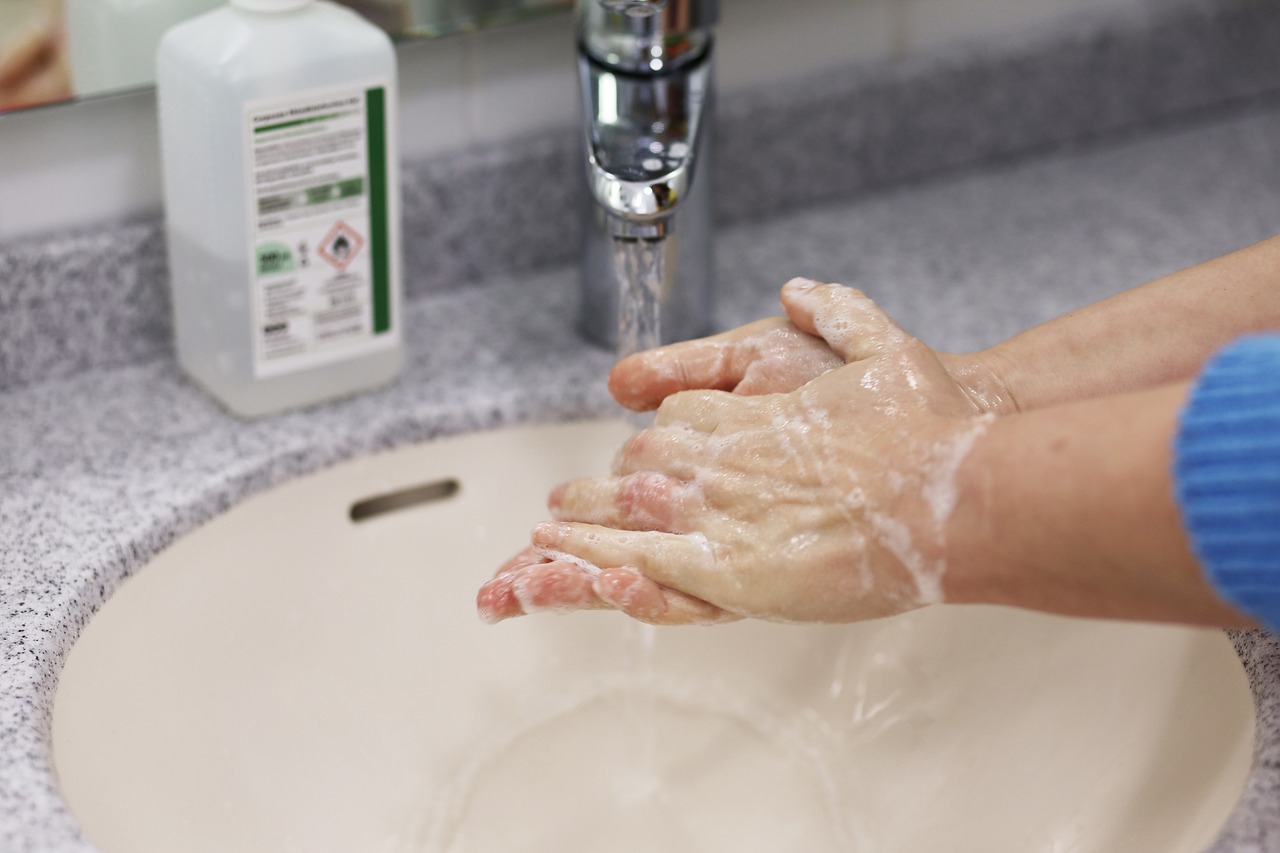
Leaky faucets are a common household frustration, wasting water and potentially causing significant damage. According to the U.S. Environmental Protection Agency (EPA), an average household can save 1,300 gallons of water per year by fixing a leaky faucet. Understanding the root cause of the leak and implementing quick, easy solutions can save time, money, and water.
This guide provides a comprehensive, step-by-step approach to troubleshooting and repairing leaky faucets. From identifying the type of leak to replacing worn parts, we'll walk you through the process with clear instructions and helpful DIY tips. We also offer insights into professional assistance, maintenance practices, and the importance of certifications like NSF, ensuring you're equipped to address any leaky faucet issues effectively.
- Identifying Common Leaky Faucet Issues
- Step-by-Step Repair Guide: DIY Approach
- Preventive Measures: Stop Leaks Before They Start
Identifying Common Leaky Faucet Issues
For leaky faucet solutions, identifying the root cause is the first step to effective repair. Leaky faucets can manifest in various ways, from a steady drip to a gushing flow. Understanding these common issues is crucial for both DIY enthusiasts and those seeking professional plumbing troubleshooting. The most frequent culprit is a worn-out washer or O-ring, which can be easily replaced. This simple fix, often recommended in the Faucet Repair Guide series, can stop minor leaks quickly and cost-effectively.
Another prevalent problem, especially in older homes, is loose or corroded pipes. Water leaks can originate from the supply lines connecting the faucet to the water source. Regular maintenance, such as inspecting these pipes for signs of damage or corrosion, can help prevent major leaks. The National Academy of Home Inspectors (NAHI) suggests periodic checks to identify potential issues early on. In some cases, simply tightening connections or replacing corroded parts can restore proper functionality and prevent further water waste.
Valve malfunctions are also a significant contributor to leaky faucets. If the valve cartridges or stems are faulty, they can cause inconsistent water flow or leaks. This issue often requires the expertise of a licensed plumber, who can diagnose and replace the faulty parts. Angie's List and the Better Business Bureau (BBB) offer resources for finding reputable professionals who can handle such complex plumbing troubleshooting.
Step-by-Step Repair Guide: DIY Approach
When faced with a leaky faucet, many homeowners opt for professional help, but tackling the problem yourself can be a cost-effective and satisfying DIY repair. Before diving in, assess the situation: is it a simple drip or a steady stream? This distinction guides your approach. Start by gathering the right tools: a wrench, pliers, and a new faucet washer or O-ring kit. For minor leaks, these simple replacement parts can fix the issue quickly.
Locate the faucet components: the cartridge, stem, and washer. The cartridge controls water flow and temperature, while the stem regulates the water pressure. The washer is a ring that seals the stem against the faucet body. Turn off the water supply under the sink before disassembling. Remove the faucet handle and any decorative covers to access the stem. With the right tools and a clear understanding of the parts, you can often fix a leaky faucet in under an hour.
For more complex issues, such as a persistent leak or a faucet that won't stop running, consult a detailed DIY video series like the Faucet Repair Guide. Online forums like Plumber's Friend offer step-by-step advice from experienced DIYers. Remember, regular maintenance, including periodic cleaning and checks, can prevent future leaks. Keep a well-stocked repair kit, and you'll be prepared for minor plumbing troubleshooting, ensuring your home's water fixtures remain in top working order.
Preventive Measures: Stop Leaks Before They Start
Preventive measures are key to avoiding the hassle and expense of leaky faucet repairs. Regular faucet maintenance, for instance, can help extend the life of your plumbing fixtures. The U.S. Environmental Protection Agency (EPA) has recognized this need and established the WaterSense program, which encourages the use of water-efficient products and practices. Adopting WaterSense-certified products and following the EPA's guidelines for regular maintenance can significantly reduce the likelihood of leaks.
One effective preventive strategy is to install regular faucet maintenance kits. These kits, available from home improvement stores like Home Depot, include essential components like O-rings, seals, and valve seats that can be replaced over time to prevent leaks. The National Academy of Home Inspectors (NAHI) recommends periodic visual inspections to identify potential issues early. By checking for signs of corrosion, loose connections, or worn-out parts, you can take proactive measures before a leak even occurs.
Plumbing troubleshooting doesn't have to be complex. Simple DIY repairs, like tightening connections or replacing worn-out washers, can often stop leaks before they become major problems. Online forums like Plumber's Friend offer detailed guides and video series, like the Faucet Repair Guide, to walk you through these processes step-by-step. However, if the issue is beyond DIY repair, it's crucial to know when to seek professional assistance. Organizations like Angie's List and the Better Business Bureau (BBB) can help you find licensed, insured plumbers who adhere to industry standards, ensuring your leaky faucet solutions are handled by qualified professionals.
Frequently Asked Questions About Fixing Leaky Faucets: Quick and Easy Solutions A practical guide to troubleshooting and repairing leaky faucets, with step-by-step instructions and DIY tips. Search intent: informational.
What are the most common causes of leaky faucets? Leaky faucets can stem from various issues, but the most frequent culprits are worn-out O-rings or washer cartridges in the faucet's valve assembly. Sediment buildup, damaged or misaligned parts, and faulty plumbing connections can also contribute. Regular maintenance, such as cleaning the faucet and replacing worn parts, can prevent or mitigate these common problems.
How do I know if a leaky faucet needs professional repair? While minor leaks can often be fixed with DIY solutions, it's crucial to involve a professional if the leak is severe, persistent, or accompanied by low water pressure. If you notice water pooling around the base of the faucet or if the leak occurs even when the faucet is fully closed, these could be signs of more complex issues requiring expert attention.
Can I save money by repairing a leaky faucet myself? Absolutely. Repairing a leaky faucet yourself is not only cost-effective but also environmentally friendly by reducing water wastage. Many DIY repairs involve simple, affordable parts that can be easily acquired from hardware stores. However, for more intricate jobs, it's essential to have the right tools and knowledge to ensure a proper fix, saving you from potential future leaks and higher repair costs.
What tools do I need to fix a leaky faucet? Most leaky faucet repairs require basic tools like adjustable wrenches, pliers, and a screwdriver. You might also need replacement parts such as O-rings, washer cartridges, or packing nuts. Having a step-by-step guide or tutorial can be invaluable in navigating the process and ensuring you have the necessary tools before starting.
How long does it typically take to fix a leaky faucet? Most basic leaky faucet repairs can be completed within 15 to 30 minutes with the right tools and a clear understanding of the process. More complex jobs, especially involving multiple faucets or intricate plumbing issues, may take one to two days, depending on the severity of the problem and the experience of the person conducting the repair.
By tackling leaky faucet issues head-on, you've gained valuable insights into effective, DIY leaky faucet solutions. From identifying common problems to learning practical repair techniques, you're now equipped to handle minor leaks before they become costly, water-wasting disasters. Remember, preventive measures like regular maintenance and EPA-backed programs like WaterSense can significantly reduce leaks, saving you money and conserving precious water resources.
Moving forward, consider these key takeaways:
- Regularly inspect faucets for any signs of wear or damage.
- Familiarize yourself with basic plumbing tools and techniques.
- Stay informed about local licensing and insurance requirements for plumbers.
- Embrace eco-friendly practices like those promoted by organizations like the National Academy of Home Inspectors (NAHI) and the U.S. EPA.
With these strategies in your toolkit, you're well-prepared to tackle leaky faucets confidently, ensuring a steady, leak-free flow in your home for years to come.
References
- [XPGFS] NOAA GFS Weather: Real Weather For X-Plane — forums.x-plane.org