Leaky faucets aren't just an annoyance; they waste water and can significantly increase your water bills. Addressing this common household problem is crucial for both sustainability and financial reasons. Understanding leaky faucet solutions empowers you to take control of your plumbing system, saving you time and money in the long run. This guide provides a comprehensive, step-by-step approach to troubleshooting and repairing leaky faucets, from identifying the source of the leak to choosing the right repair parts. By the end, you'll be equipped with the knowledge to fix leaks quickly and efficiently, minimizing water waste and maximizing your plumbing system's longevity.
- Identify the Source of Leaks: Common Problems
- DIY Repairs: Step-by-Step Guide
- Prevent Future Leaks: Maintenance Tips
Identify the Source of Leaks: Common Problems
Identifying the source of leaks is a crucial step in leaky faucet solutions. Leaky faucets can stem from various issues, each requiring a tailored approach for effective DIY repairs. Common problems include worn-out O-rings or washer seals, loose connections, damaged valve cartridges, and mineral buildup. Hard water deposits can accumulate over time, hardening the seals and causing leaks.
When diagnosing leaky faucets, start by inspecting the faucet's components. The National Academy of Home Inspectors (NAHI) recommends checking the following: the supply lines for any signs of damage or leaks, the faucet's handle and valve mechanism, and the cartridge or washer assembly. If the problem lies with the O-ring or washer, a simple replacement may fix the leak. However, if the valve cartridge is damaged, you might need to replace the entire cartridge assembly, a process that can range from moderately challenging to complex, depending on the faucet model.
Mineral buildup, often associated with hard water, can be addressed with regular cleaning and maintenance. The U.S. Environmental Protection Agency (EPA) promotes the use of WaterSense-certified faucets, which are designed to reduce water usage and may feature easier-to-maintain components. Keep in mind that while some leaky faucet solutions can be tackled by homeowners, complex repairs or issues with the plumbing system's larger components might require the expertise of a licensed plumber. Organizations like Angie's List and the Better Business Bureau (BBB) can help you find reputable professionals in your area.
DIY Repairs: Step-by-Step Guide
When faced with a leaky faucet, many homeowners opt for professional repair, but some simple DIY repairs can save time and money. Before tackling any faucet repair, it's crucial to understand the source of the leak. Is it coming from the handle, the spout, or the base? This knowledge guides your choice of tools and parts. A leaky faucet often signals a worn-out washer or O-ring, easily replaced components that form the core of many faucet repair projects.
For a standard single-handle faucet, the process is straightforward. First, shut off the water supply to the faucet. This is typically done by turning the valve under the sink clockwise. Then, remove the handle and disassemble the faucet, revealing the components responsible for the leak. Replace the worn-out washer or O-ring, reassemble the faucet, and test for leaks by turning on the water supply. If the leak persists, the issue might be a faulty cartridge or stem, requiring a bit more advanced knowledge or professional assistance.
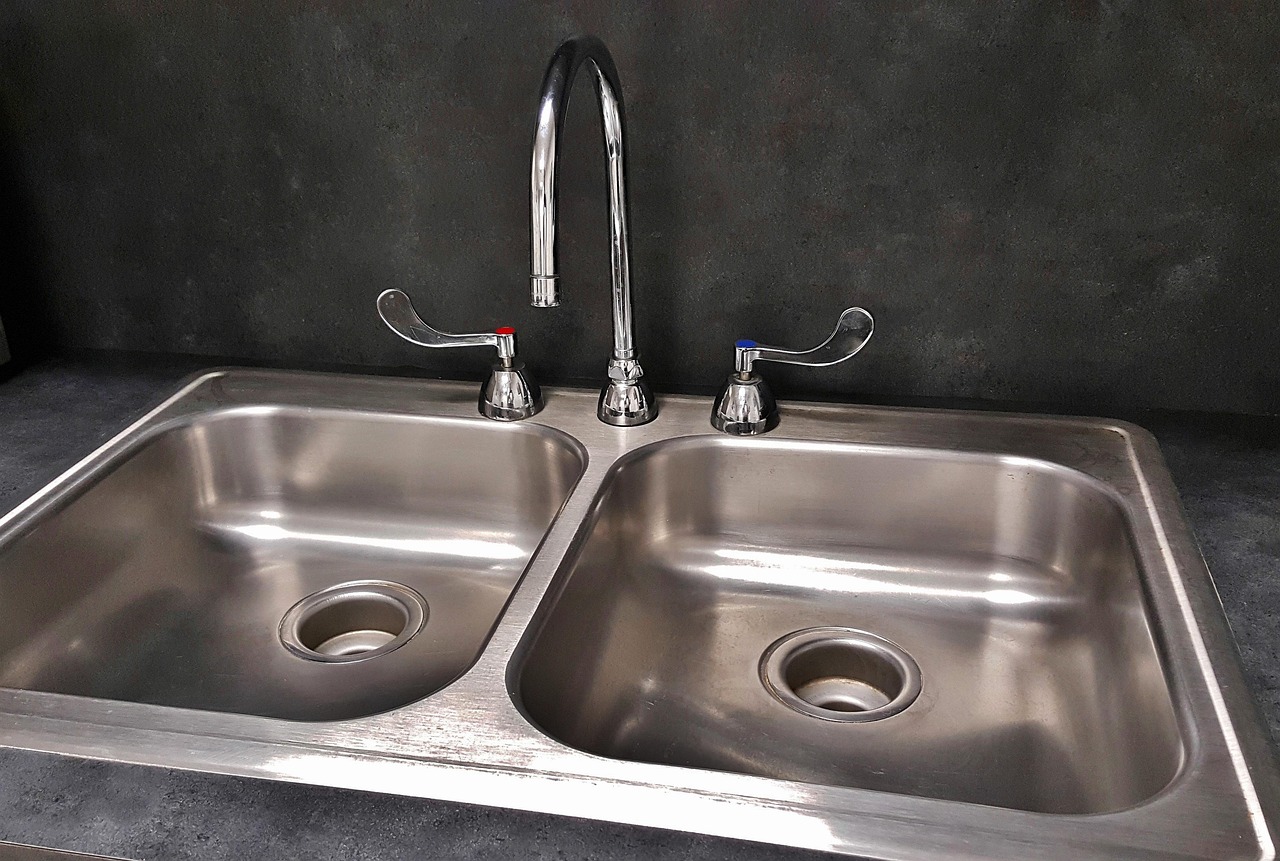
For double-handle faucets, the process is similar but with additional steps. You may need to replace not only the washer and O-ring but also the valve seats, which can be more complex. Online resources like the Faucet Repair Guide series or forums like Plumber's Friend offer detailed visual guides for various faucet models. These DIY solutions empower homeowners to fix leaks, reducing water waste and potentially saving hundreds of dollars in service calls. Remember, proper identification of the leak's source and confident handling of basic repairs can significantly extend the life of your fixtures.
Prevent Future Leaks: Maintenance Tips
Preventing future leaks is key to avoiding the hassle and expense of solutions. Regular maintenance can prolong the life of your fixtures and minimize water waste. Start by inspecting the faucet for any visible signs of damage or wear, such as loose parts or worn-out O-rings. Address these issues promptly to stop water leaks before they become significant. Many DIY repair kits are available at home improvement stores, offering a convenient and cost-effective solution for minor problems.
A simple faucet repair kit can help you replace worn-out parts like O-rings and cartridge seals. These kits typically include all necessary tools and components, allowing you to make the repair yourself with minimal effort. The National Academy of Home Inspectors (NAHI) recommends regular maintenance checks to ensure the longevity of your plumbing system. Schedule periodic inspections to identify potential issues before they turn into costly repairs.
The U.S. Environmental Protection Agency (EPA) promotes water conservation through its WaterSense program, which encourages the use of efficient fixtures and appliances. Adopting these practices not only saves water but also reduces energy consumption. Remember, regular maintenance and prompt attention to small issues can prevent significant water leaks and save you money in the long run. Stay proactive in your solutions to maintain a reliable and efficient plumbing system.
Frequently Asked Questions About Fixing Leaky Faucets: Quick and Easy Solutions A practical guide to troubleshooting and repairing leaky faucets, with step-by-step instructions and DIY tips. Search intent: informational.
What causes a faucet to leak? Leaky faucets are often caused by worn-out or damaged washer and seal rings inside the faucet. Over time, these parts can degrade due to mineral buildup, corrosion, or general wear and tear. Other factors include improper assembly, low-quality fixtures, or excessive water pressure. Identifying the specific cause is crucial for effective repair.
How can I temporarily stop a leaky faucet before fixing it? To temporarily halt a leak, turn off the water supply to the faucet. This can usually be done by closing the valve under the sink or in the basement. Once closed, apply a tight seal or a piece of tape over the leak to minimize water loss until a permanent fix is made.
What tools do I need to repair a leaky faucet? Common tools required for a faucet repair include a wrench, pliers, and a new set of washer and seal rings (or a repair kit). A step-by-step guide or video can be invaluable for navigating the process. Having a friend or family member with basic DIY skills can also be beneficial.
When should I call a professional plumber instead of fixing it myself? While many leaky faucet issues can be resolved with DIY methods, complex problems may require professional expertise. Signs to call a plumber include persistent leaks despite repair attempts, unusual noise or pressure, or visible damage to the faucet or plumbing. A licensed plumber ensures the job is done right and prevents further damage.
How long does it typically take to fix a leaky faucet? Most leaky faucet repairs can be completed in 30 minutes to 2 hours, depending on the complexity and your skill level. Simple repairs involving washer replacement can be quicker, while more intricate issues may take a bit longer. It's best to prepare the area and gather the necessary tools beforehand to optimize the repair process.
Are there any tips for preventing future leaks? Regular maintenance is key to preventing leaks. Check faucets periodically for signs of wear, and replace worn parts as needed. Using faucet aerators can also reduce mineral buildup and extend the life of your fixtures. Keeping an eye on your plumbing system's health can save you time and money in the long run.
By understanding the common sources of leaks and implementing the step-by-step repair guides, you can effectively tackle leaky faucet problems as they arise. Preventative maintenance, such as regular checks and the use of WaterSense-certified products, can significantly reduce the likelihood of future leaks. Incorporating these solutions into your routine can save you time, money, and the frustration of unexpected water damage.